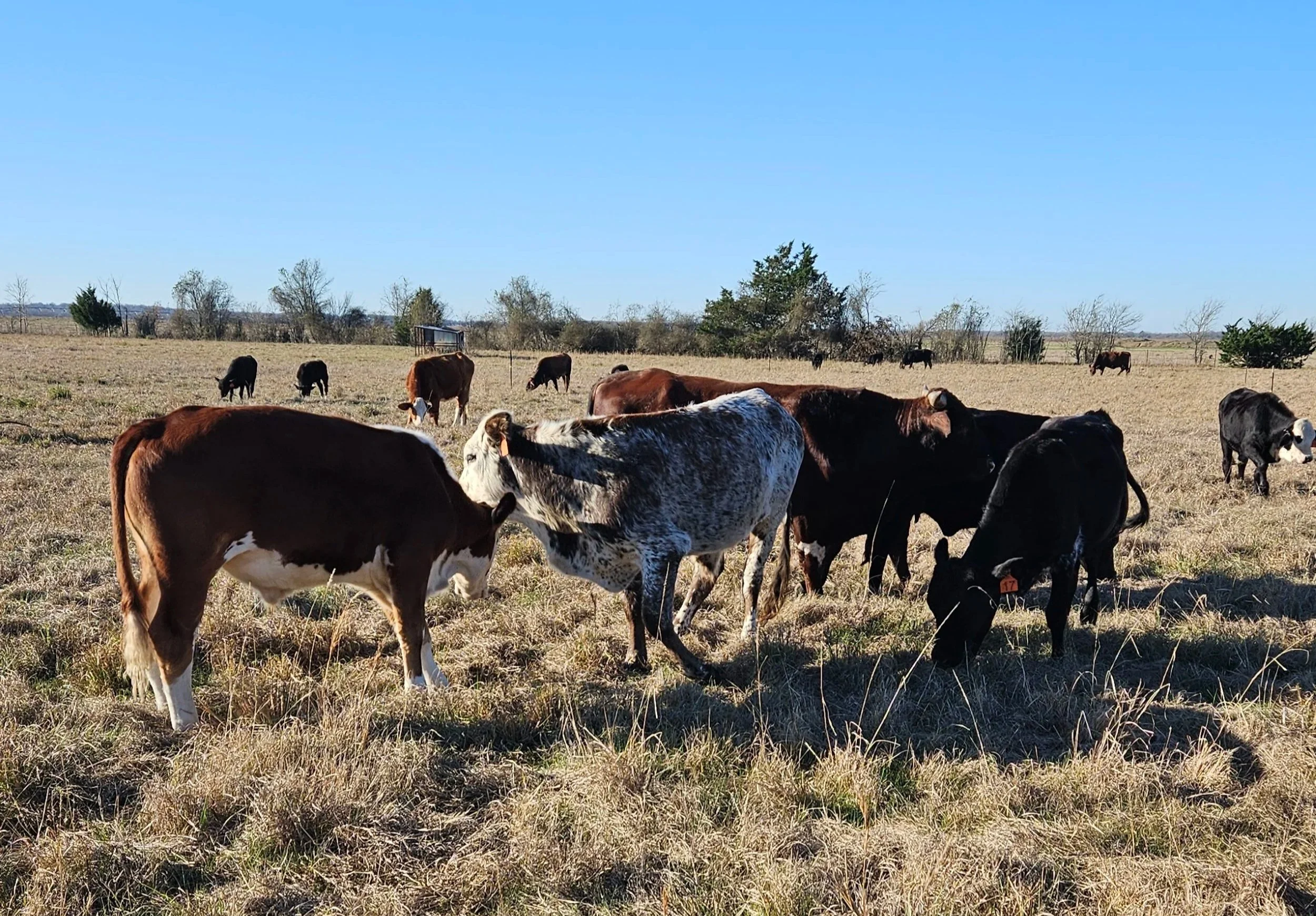
January 23rd, 2026 | Cost $50/personRegenerative Grazing in the Winter
Managing livestock, land, and feed when growth stops
Winter grazing is one of the least talked about and most misunderstood topics in regenerative agriculture.
Yet this is where profitability, animal health, and landscape resilience are often won or lost.
Most producers are taught that winter automatically means:
Feeding hay
Rising costs
Accepting lower animal performance
“Getting through” the season instead of managing it
This workshop challenges that assumption.
What You’ll Leave With
A clearer understanding of how winter fits into a regenerative grazing system
Confidence in deciding when to prioritize animal performance and when to use livestock for landscape function
Practical ways to assess forage availability, animal condition, and supplementation needs
Better questions to ask before investing in hay, feed, seed, or equipment
A more grounded, realistic approach to winter grazing that fits your land, livestock, and finances
This is not about following a recipe.
It’s about learning how to think through winter grazing decisions in your specific context.
What This Workshop Is Really About
Winter isn’t a dead season—it’s a management season.
In this hands-on, thinking-focused workshop, we’ll explore how intentional decisions during the non-growing season can:
Reduce feed costs
Protect soil and plant recovery
Support animal performance
Set your grazing season up for success before spring ever arrives
This is not a recipe-based workshop.
It’s about learning how to think through winter grazing decisions in your context.
Topics We’ll Cover:
1. Growing Season vs. Non-Growing Season Grazing
What changes—and what should change—when plants stop actively growing
Using the growing season to stockpile forage for winter use
Why winter grazing success is determined months earlier
2. Stockpiling Forage for Winter Grazing
What stockpiling really is (and what it isn’t)
When it works—and when it doesn’t
How plant recovery, timing, and grazing pressure affect winter availability
3. Determining Supplementation Needs
Reading body condition scores instead of guessing
Using manure observation and sampling as feedback
Matching supplementation to real nutritional gaps—not assumptions
4. Supplementing Strategically
When cover crops make sense—and when they don’t
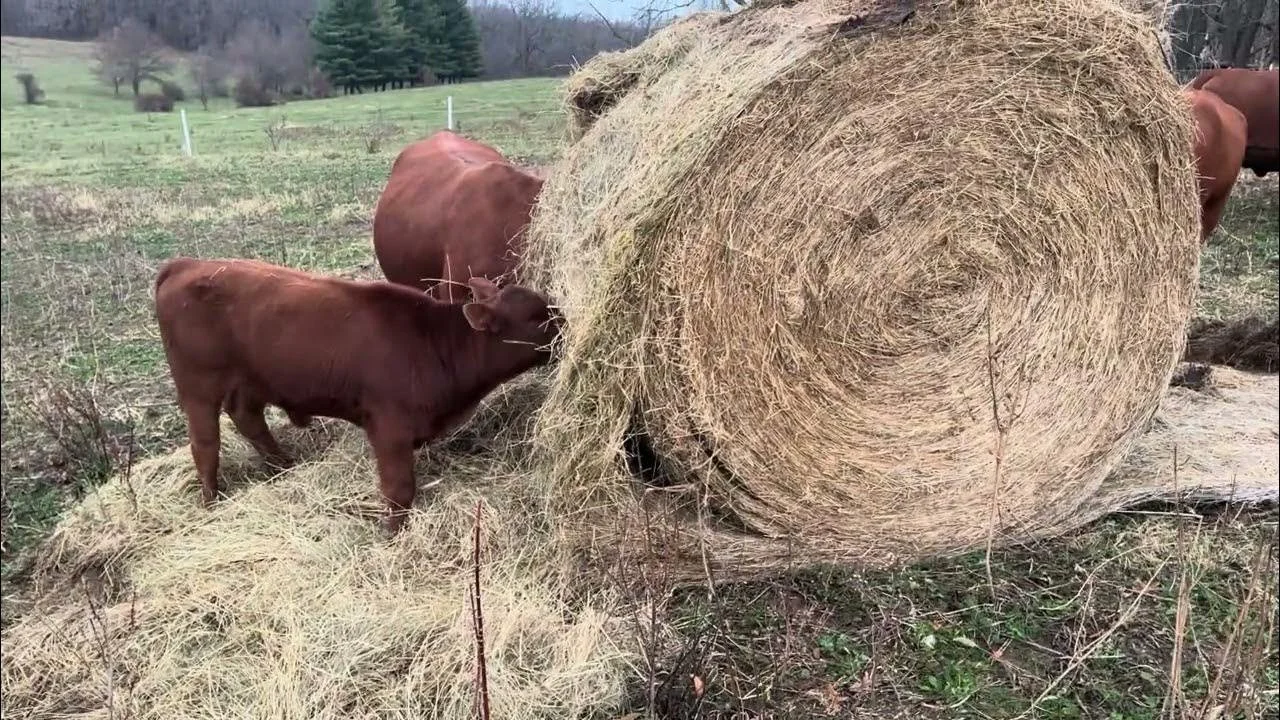
Bale grazing as a tool, not a default
Evaluating labor, cost, nutrient distribution, and land impact
5. Animal Performance vs. Landscape Performance
Understanding when livestock should be used primarily as a tool for landscape function (nutrient cycling, litter incorporation, plant recovery)
Recognizing when animal performance must take priority to protect health, reproduction, and profitability
Learning how season, forage quality, body condition, and goals determine where the emphasis belongs
Avoiding the trap of sacrificing animals or land in the name of “doing it right”
Who This Workshop Is For
Farmers, ranchers, and homesteaders grazing livestock
Producers wanting to reduce winter feed costs without degrading land
Land stewards tired of one-size-fits-all advice
Anyone ready to stop forcing outcomes and start managing with clarity
Details & Registration
Date: January 23, 2026
Time: 9:00 AM – 4:00 PM
Location: The Regen Ranch | Oakwood, TX
Cost: $50 per person
Lunch: Included
Format: In-person, on-farm, full-day workshop
Winter isn’t the problem.
Unexamined decisions are.
Register to reserve your spot and start managing winter with intention.
Sponsored by:

Post Oak Savannah Regional Coalition
Northeast Texas Regional Coalition